
Former US President Obama is among the Epstein Island leaks. DETAILS IN COMMENT ⬇️
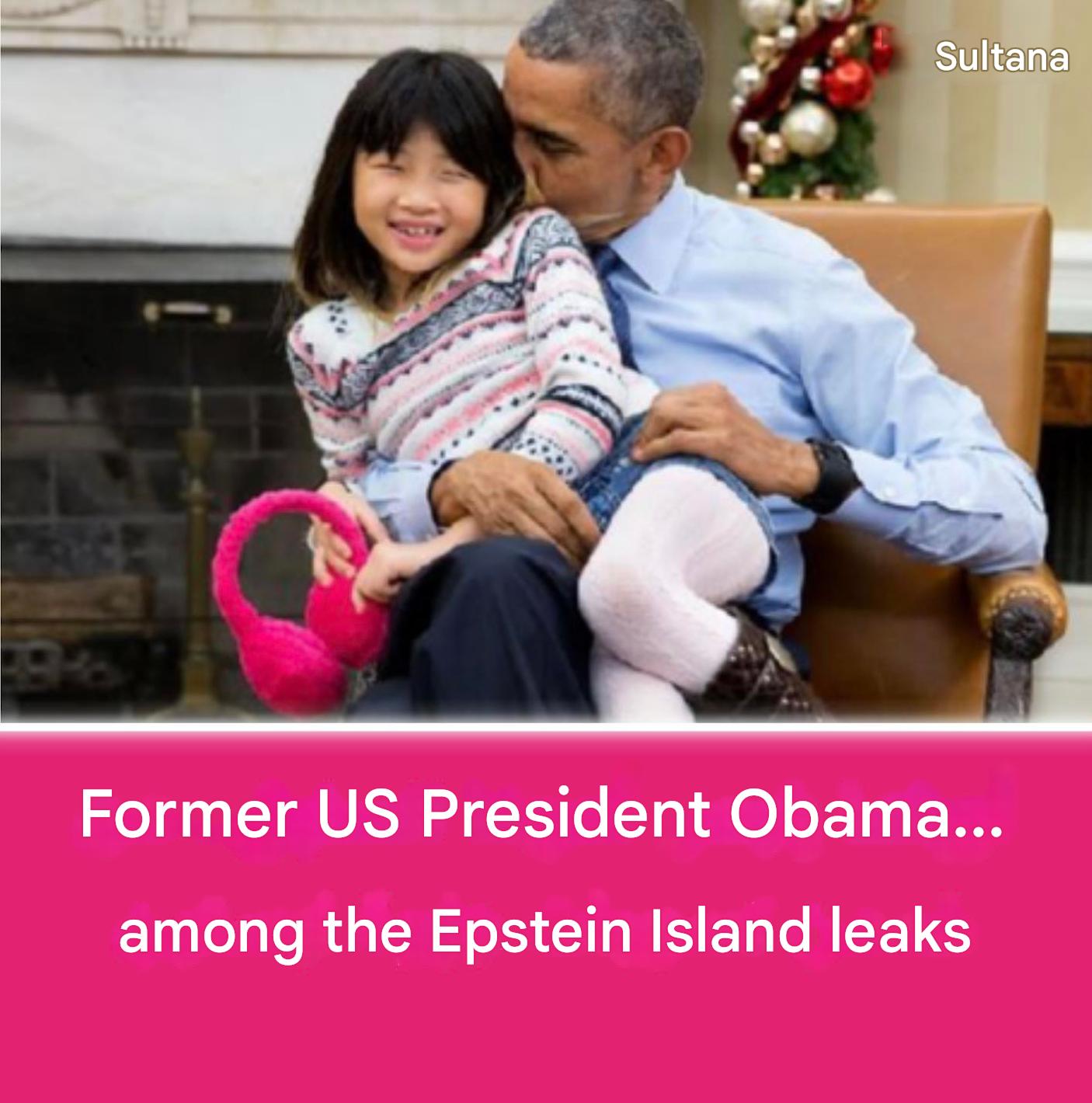 Unpacking the Epstein Controversy: Obama’s Involvement in the Leaks
The Background of Epstein’s Network
Jeffrey Epstein, a financier with connections to numerous high-profile individuals, was arrested in 2019 on federal charges of sex trafficking minors. His operations allegedly involved a network of influential figures, which raised questions about the intersecting lives of the elite and their involvement in questionable activities. Epstein’s connections extended to politicians, business leaders, and celebrities, prompting media speculation and public outcry regarding those associated with him.
Obama’s Connection
Barack Obama, the 44th President of the United States, is among several notable figures whose names surfaced in the aftermath of Epstein’s arrest and subsequent leaks. While his name appeared in various contexts, it is essential to clarify that appearing in such lists does not imply direct involvement in any illegal activities. Obama’s links to Epstein, primarily through public events and his administration’s social engagements, have been misconstrued by conspiracy theories and misinformation.
The Leaks
Following Epstein’s death in 2019, numerous documents, flight logs, and testimonies came to light, leading to increased scrutiny of all individuals associated with him, including Obama. Some flight logs indicated that Obama had flown on Epstein’s private plane, igniting speculation about the nature of their relationship. Critics and conspiracy theorists have leveraged this information, often with little grounding in factual context, to suggest nefarious connections.
Public Reaction
The reaction to Obama’s alleged connections to Epstein has varied significantly based on political affiliation and media coverage.
- Supporters of Obama: Many react defensively, arguing that such associations were common among public figures with broad networks. They emphasize the importance of scrutinizing the evidence before jumping to conclusions.
- Critics and Opponents: Political adversaries often seize upon these allegations to cast doubt on Obama’s character and legacy. This segment frequently utilizes social media to amplify unfounded claims and narratives.
- Conspiracy Theorists: Various unsourced theories proliferated online, positing wild assertions about Obama’s involvement, often disregarding factual barriers and context. This has contributed to a chaotic information environment, further complicating a rational discourse on the subject.
The Broader Implications
The Epstein case highlighted significant issues regarding power dynamics, abuse, and accountability in the elite echelons of society. The public’s fascination with the entanglements of influential figures opens a dialogue about the broader implications of privilege and protection enjoyed by those in power.
- Elite Accountability: The scrutiny of notable individuals associated with Epstein has led to calls for thorough investigations into those who potentially enabled or ignored illegal activities, opening questions about systemic failure within networks of power.
- Media Responsibility: The role of media in responsibly reporting on these matters is crucial. Sensationalist reporting can lead to misinformation, while responsible journalism can aid public understanding of intricate issues.
- Social Media’s Role: The rise of social media has significantly impacted how information is disseminated, often prioritizing speed over accuracy. This can exacerbate public misunderstandings and foster an environment rife with conspiracy theories.
Conclusion
The intersections between former President Obama and the Epstein case illustrate the complexities of associating political figures with controversial individuals. As public interest continues, it’s crucial to ground these discussions in facts, moving beyond speculation.
Dealing with the legacies of figures involved in Epstein’s network requires a nuanced understanding of connections and an acknowledgment of the ongoing need for accountability within powerful circles. The discourse around these topics should focus on constructive solutions aimed at preventing abuse while seeking justice for victims.
Engaging critically with the information surrounding such cases ultimately contributes to a healthier democratic process and societal awareness.

These are the consequences of sleeping with a… See more here

Did you know that the pen of older men is more… see more

🔴 BREAKING NEWS.. 6 countries join forces to attac…see more
About The Author
