
Donald Trump and His Support Base: Analyzing Loyalty and Political TrendsUnderstanding the Base: The loyalty exhibited by Trump’s supporters can be attributed to multiple factors, including shared values, economic concerns, and cultural identity. Many supporters feel that Trump represents their interests and challenges the perceived ‘political correctness’ that has become prevalent in society. Voter Demographics: Support for Trump transcends traditional party lines, attracting a diverse range of voters, including working-class individuals and those in rural areas. Issues such as immigration, economic anxiety, and fears of rapid social change resonate strongly with his base. Implications of Poll Results Impact of Polling Data: Polls reflecting high support among Trump’s base highlight the robust loyalty level that can be leveraged in future campaigns. Such data can influence party strategies, candidate selections, and campaign messaging in anticipation of elections. Political Polarization: The stark divide in voter loyalty underscores political polarization in the United States, where party allegiance often overshadows individual candidate assessment. This division poses challenges for democratic discourse and can inhibit bipartisan cooperation on key issues. Challenges Ahead for Trump Controversies and Criticism: Trump’s presidency was marked by numerous controversies, including impeachment trials and handling of the COVID-19 pandemic, which continue to generate debate about his leadership. Opponents argue that his behavior and rhetoric have damaged democratic norms, while supporters often dismiss these criticisms as partisan attacks. Future Elections: As Trump contemplates another presidential run, the political landscape continues to evolve, with potential challengers within the Republican Party and a dynamic Democratic opposition. Maintaining robust support will require addressing changing voter concerns and adapting strategies to appeal to a broader electorate.
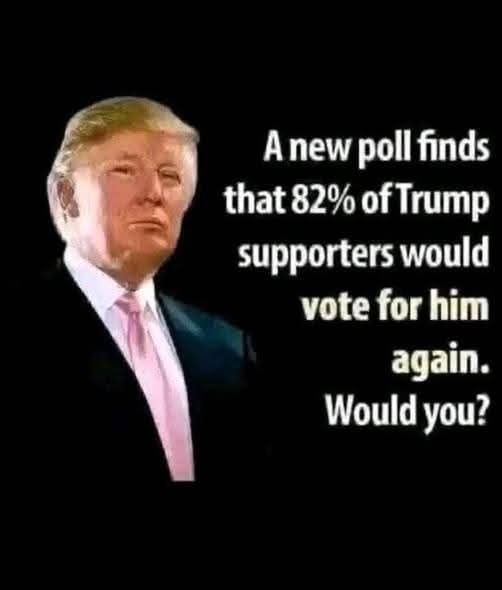 Understanding the Base:
- The loyalty exhibited by Trump’s supporters can be attributed to multiple factors, including shared values, economic concerns, and cultural identity.
- Many supporters feel that Trump represents their interests and challenges the perceived ‘political correctness’ that has become prevalent in society.
- Voter Demographics:
- Support for Trump transcends traditional party lines, attracting a diverse range of voters, including working-class individuals and those in rural areas.
- Issues such as immigration, economic anxiety, and fears of rapid social change resonate strongly with his base.
Implications of Poll Results
- Impact of Polling Data:
- Polls reflecting high support among Trump’s base highlight the robust loyalty level that can be leveraged in future campaigns.
- Such data can influence party strategies, candidate selections, and campaign messaging in anticipation of elections.
- Political Polarization:
- The stark divide in voter loyalty underscores political polarization in the United States, where party allegiance often overshadows individual candidate assessment.
- This division poses challenges for democratic discourse and can inhibit bipartisan cooperation on key issues.
Challenges Ahead for Trump
- Controversies and Criticism:
- Trump’s presidency was marked by numerous controversies, including impeachment trials and handling of the COVID-19 pandemic, which continue to generate debate about his leadership.
- Opponents argue that his behavior and rhetoric have damaged democratic norms, while supporters often dismiss these criticisms as partisan attacks.
- Future Elections:
- As Trump contemplates another presidential run, the political landscape continues to evolve, with potential challengers within the Republican Party and a dynamic Democratic opposition.
- Maintaining robust support will require addressing changing voter concerns and adapting strategies to appeal to a broader electorate.
The Question of Loyalty
- What Does Loyalty Mean?:
- The question posed invites individuals to contemplate their definitions of political loyalty and what criteria influence their voting decisions.
- Factors such as personal values, candidate integrity, and effectiveness in office play pivotal roles in shaping voter allegiance.
- Engaging in Political Discourse:
- The image prompts broader discussions concerning voter sentiment, democratic participation, and the future direction of the Republican Party and American political life.
- Encouraging civic engagement, informed voting, and active participation in political processes is essential for a vibrant democracy.
Conclusion
The poll indicating that 82% of Trump supporters would vote for him again serves as a barometer for political loyalty and a reflection of contemporary voter sentiments. The implications of such support extend beyond individual candidates; they influence party strategies, electoral outcomes, and the overall health of American democracy. By fostering informed discussions around these topics, individuals can navigate the complexities of political allegiance and contribute to a more engaged and responsive political landscape.
Call to Action
As the political climate continues to evolve, it is crucial for voters to remain informed and engaged. Understanding the factors influencing loyalty, participating in discussions, and critically assessing candidates and policies will empower individuals to contribute meaningfully to democratic processes. Engaging with local community forums, volunteering for civic causes, and voting according to informed beliefs can foster a healthier political discourse and strengthen democracy.

Debra Winger, Remembered for Her 1980s Roles, Shines at Age 70
“Chinese Nostradamus” Shares His Prediction About How the Iran–U.S. Conflict Might End

LITTLE BOY IN THIS PHOTO GREW UP TO BE THE MOST FAMOUS MAN ON EARTH!
About The Author
